
Clone Cards Place

Author name: admin

Uncategorized

How to Prevent Card Cloning

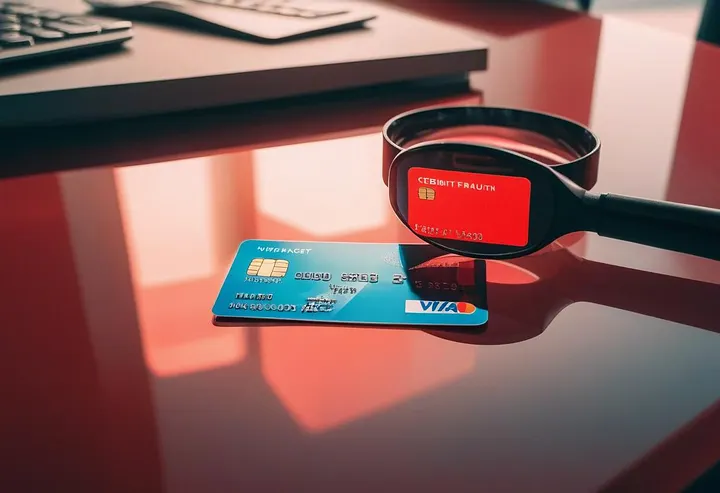
How to Prevent Card Cloning: Protect Your Money Card cloning, or skimming, is a real threat where criminals copy your card’s data to make fraudulent purchases. Fortunately, you can take proactive steps to shield your finances. Be Vigilant at ATMs & Gas PumpsAlways inspect card readers before use. Look for anything loose, mismatched, or bulky. Wiggle the card slot; skimming devices are often attached over the real one. Opt for pumps and ATMs within camera view or inside a bank lobby, as they are less likely to be tampered with. Shield Your PIN Every TimeThis is non-negotiable. Use your free hand to cover the keypad when entering your PIN, preventing hidden cameras or onlookers from capturing it. Your PIN is the final defense if your card data is stolen. Favor Chip & Contactless PaymentsWhenever possible, use your card’s EMV chip or a contactless tap (like Apple Pay or Google Pay) instead of swiping the magnetic stripe. Chip transactions create a unique code for each purchase, making cloned data useless. Digital wallets add an extra layer of security by using tokenization. Monitor Your Accounts CloselyEnable real-time transaction alerts on your banking app. Check your statements weekly for any unauthorized charges, no matter how small. Early detection is key to limiting damage. Use a Credit Card for Daily PurchasesCredit cards generally offer stronger fraud protection than debit cards. If a credit card is cloned, the thief is spending the bank’s money, not your direct account balance, while you dispute the charges. Stay Informed and Act FastIf your card is lost, stolen, or you suspect fraud, contact your bank immediately to freeze the card. By staying alert and adopting these habits, you dramatically reduce your risk of falling victim to card cloning.
Uncategorized

Are Clone Cards Real

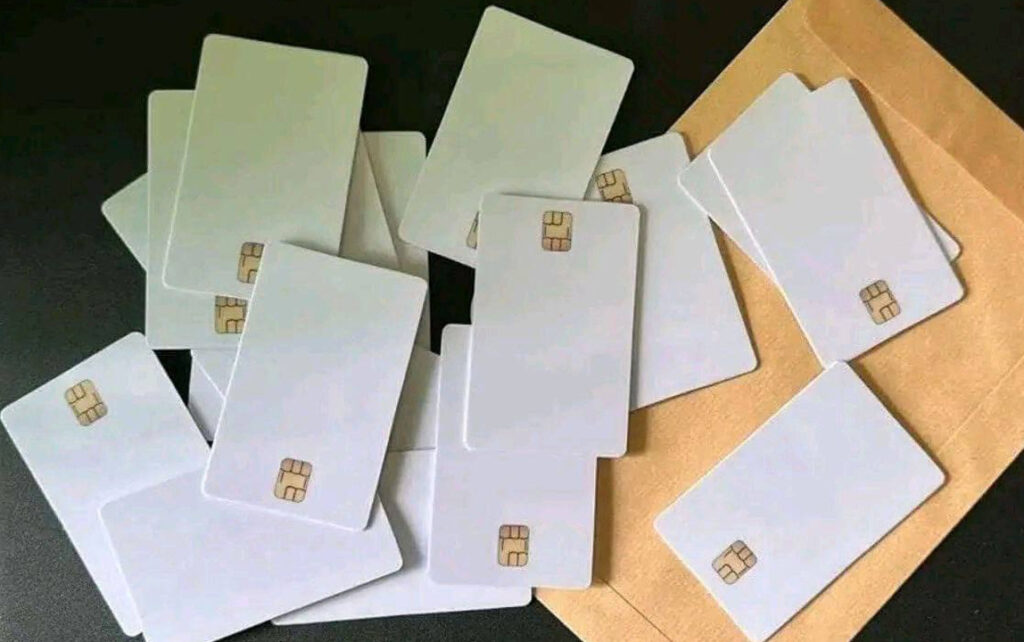
​ 1. What “Clone Cards” Usually Mean In most contexts, clone cards refer to illegally duplicated credit or debit cards. Criminals copy data from a legitimate card’s magnetic strip or chip and then encode it onto a blank card. These cloned cards look and act like the real thing but are used for fraudulent transactions. Yes, they’re real — but:They’re 100% illegal to make, sell, or use.Possessing or using a cloned card is considered credit card fraud or identity theft, which can lead to severe legal penalties (including prison time in most countries). 2. How Card Cloning Works (Illegally) Criminals use devices called skimmers or shimmers to capture card data from ATMs, gas pumps, or payment terminals. That data can then be written onto blank cards using inexpensive encoding tools. Banks and card issuers now combat this with: 3. Legal “Clone” or “Duplicate” Cards Sometimes, people refer to a legitimate authorized duplicate of their own card (for a spouse or business partner) as a “clone card.”That’s different — it’s simply an additional card issued by the bank on the same account. These are legal and common. 4. If You See “Clone Cards for Sale” Online Any website, Telegram channel, or dark web marketplace claiming to sell clone cards, CC dumps, or ready-to-use cards is a scam or a criminal operation.Buying or even engaging with those sources can expose you to: Bottom Line

Uncategorized

The Ultimate Guide to Clone Cards

Are you looking to improve your financial flexibility? Clone cards are becoming a popular choice for savvy consumers worldwide. These prepaid debit cards offer a convenient way to make purchases without needing a traditional bank account. Whether you’re shopping online or withdrawing cash, clone cards provide unmatched convenience and security. Dive into our comprehensive guide to learn everything you need to know about buying and using clone cards safely. Understanding Clone Cards: What Are They and How Do They Work? Clone cards are essentially replicas of genuine payment cards, designed to mimic their functionality. These cards are often used for cash withdrawals or making purchases. While the concept of cloning may seem complex, the process involves encoding stolen card information onto a blank card. Where to Safely Buy Clone Cards Online Purchasing clone cards can be a cost-effective solution for many consumers. Here’s why: Types of Clone Cards Available Clone cards come in various forms, catering to different needs: How to Purchase Clone Cards Securely When buying clone cards , it’s essential to choose a reputable seller. Here’s how to ensure a safe transaction: How to Use Clone Cards Effectively Once you’ve purchased a clone card , you can use it immediately for both online and in-store transactions. Simply enter the card number and security code when prompted. Always keep your card in a secure location and monitor your activity regularly to prevent unauthorized use. Suggested Photo: Clone Card Security Tips Protecting your clone card is crucial. Follow these tips to stay safe: Finding Reputable Clone Card Sellers To avoid scams, research potential sellers thoroughly. Look for patterns in customer reviews and verify their expertise in producing high-quality clone cards . Trusted platforms like Clone Cards Places ensure reliability and authenticity. Frequently Asked Questions About Clone Cards Q: What is a clone card?A: A clone card is a prepaid debit card used for purchases or ATM withdrawals. Get Martin Tyler’s stories in your inbox Join Medium for free to get updates from this writer.Subscribe Q: Are clone cards safe?A: Yes, they come with fraud protection and ensure anonymity. Q: Where can I buy clone cards?A: You can purchase them from trusted retailers like Clone Cards Place . Why Choose Clone Cards Place for Clone Cards? At Clone Cards Place , we pride ourselves on offering high-quality clone cards that meet your needs. Our products are rigorously tested, competitively priced, and backed by exceptional customer service. Whether you’re looking for clone cards for data recovery or forensic investigations, we’ve got you covered. Conclusion In conclusion, clone cards offer a versatile and affordable solution for modern consumers. By understanding how they work, where to buy them, and how to use them securely, you can make informed decisions that benefit your financial lifestyle.

Uncategorized

What Happens When a Card Is Cloned? – Protect Yourself from Credit Card Fraud

In today’s digital age, card cloning is one of the most dangerous and fast-growing forms of credit card fraud. But what exactly happens when your card is cloned—and how can you protect yourself? Card cloning occurs when cybercriminals illegally copy the data from the magnetic stripe or chip of your credit or debit card and create a duplicate version. This allows them to make unauthorized purchases, withdraw money, or even sell your card information on the dark web, all without your knowledge. It often starts with a small device known as a skimmer, secretly installed on ATMs, gas pumps, or point-of-sale machines. When you insert your card, the device captures all the essential details. In seconds, your card’s identity is compromised. Once cloned, fraudsters can: The worst part? You might not notice until it’s too late. How to Protect Yourself from Card Cloning At the end of the day, awareness is your first line of defense. If you suspect your card has been cloned, contact your bank immediately, report the fraud, and request a new card. Stay One Step Ahead of Credit Card Fraud – Protect Your Wallet and Your Peace of Mind.

Uncategorized

Puerto Rico Gift Cards – Share the Island’s Magic

Give the gift of paradise with our Puerto Rico Gift Cards – the perfect way to let someone experience the rich culture, breathtaking landscapes, and unforgettable flavors of this Caribbean gem. Whether it’s a birthday, holiday, special celebration, or just because, these gift cards are your ticket to sharing the spirit of Puerto Rico. Flexible, Convenient, and Thoughtful, our gift cards can be used across a wide range of participating local businesses, including restaurants, boutiques, adventure tours, artisan shops, and cultural attractions. Support local communities while giving your loved ones the freedom to create their own island memories. Why Choose Our Puerto Rico Gift Cards? Our Puerto Rico travel gift cards are more than just a present — they’re an invitation to adventure, culture, and unforgettable moments. Whether you’re gifting a friend a taste of the island or surprising a loved one with their next tropical escape, our cards make every occasion feel like a getaway. Gift the Experience of Puerto Rico – One Card, Endless Possibilities.

Uncategorized

Card Cloning Machine

Card‑cloning devices (often called skimmers) are illegal tools criminals attach to payment terminals to steal card data. I won’t provide instructions for building or using these devices — that would enable fraud. Instead, this post focuses on safe, legal steps merchants and consumers should follow if they encounter a suspicious device, plus practical prevention measures. Spotting suspicious devicesSkimmers are made to look like part of a terminal but often show subtle differences. Look for loose or mismatched casings, added wiring, crooked card slots, extra overlays on PIN pads, or tape/residue around the reader. For unattended terminals (gas pumps, kiosks) check for broken seals, new screws, or fresh discoloration. Unexpected requests to insert a card twice or cover a keypad can also be red flags. Immediate handling steps (do this, don’t touch more than necessary) Who to notify and legal considerationsContact your payment processor and acquiring bank immediately — they can block card acceptance, monitor for fraud, and advise next steps. Report the incident to local police and provide photos and records; getting a police report number helps with chargebacks and investigations. In many jurisdictions tampering with payment systems is a felony; cooperating quickly increases chances of recovery and prosecution. Protecting customers and staffNotify recently affected customers (if your processor confirms a compromise) and advise them to monitor statements and request replacement cards. Train staff to recognize skimming signs, maintain incident checklists, and escalate reports promptly. Keep CCTV footage for the incident window and share it with investigators. Prevention checklist (quick wins)• Use tamper‑evident seals and inspect them daily.• Install EMV‑capable, PCI‑compliant terminals and keep firmware updated.• Place terminals in well‑lit, monitored areas with visible cameras.• Rotate and audit terminals regularly; document inspections.• Offer contactless and mobile wallet options to reduce card insertion. ConclusionFinding a suspicious card‑reading device is stressful, but acting promptly and correctly helps protect customers and preserve evidence. Never attempt to modify or experiment with a suspected device; instead document, isolate, notify your bank and police, and follow their instructions. If you want, I can convert this into a printable staff checklist or a short customer notification template.

Uncategorized

Can Cloned Cards Be Traced? How Banks, Law Enforcement, and Technology Track Card Cloning

Card cloning — copying a payment card’s magnetic stripe or chip data — remains a risk for consumers and businesses. But are cloned cards traceable? Short answer: yes, often. Banks, payment networks, merchants, and law enforcement use transactional data, device identifiers, and forensic techniques to detect and trace fraudulent card activity without revealing sensitive technical details that could help criminals. How tracing worksWhen a cloned card is used, networks compare transaction patterns to a cardholder’s typical behavior. Unusual locations, rapid repeated declines, or purchases inconsistent with past spending trigger fraud alerts. Merchants log terminal IDs, timestamps, and sometimes IP addresses for online purchases; these identifiers help map where and when a cloned card was used. In‑store transactions may include CCTV footage and transaction receipts that further aid investigations. Technical signals and cooperationPayment processors and card networks maintain databases of compromised cards and flagged terminals. EMV (chip) cards have reduced magnetic‑stripe cloning but counterfeit chip attacks and skimming still occur. Banks collaborate internationally and share indicators of compromise through secure channels, which helps trace cloned‑card activity across borders. Limitations and privacyTracing is not perfect. Sophisticated fraudsters use mule accounts, layered cash‑out schemes, VPNs, and prepaid cards to obscure trails. Privacy laws and retained‑data limits can also restrict how long transaction logs are available. Nevertheless, combining multiple data points usually leads to meaningful leads for investigators. Role of law enforcementOnce fraud is reported, banks typically freeze affected accounts and may open investigations with law enforcement. Police cyber units can subpoena records, work with payment networks, and partner with international agencies to follow money flows and identify suspects. Prompt reporting by consumers and merchants increases the chance of recovery and arrest. How consumers and businesses reduce riskUse EMV chip and contactless payments when possible, monitor accounts frequently, enable transaction alerts, and avoid sharing card data. Merchants should maintain PCI‑compliant equipment, update point‑of‑sale software, and train staff to spot tampering. Quick detection limits the window for a cloned card to be used and improves traceability. ConclusionCloned cards can often be traced through a blend of behavioral analytics, transaction metadata, merchant records, and law enforcement cooperation. While perfect anonymity remains possible for highly organized criminals, the combined tools of banks, card networks, and investigators make tracing a realistic outcome in many cases. Protecting card data and acting swiftly after suspicious activity are the best defenses.

Uncategorized

Can a Cloned Card be Used at an ATM

Yes — if the criminal has copied the necessary data (and the PIN, where required), a cloned payment card can sometimes be used at an ATM. However, modern technology and bank protections make successful ATM fraud harder than it once was. Below I explain how it can happen, the limits, and—importantly—what you can do to prevent and respond to it. How a cloned card could work at an ATM (high level) Limitations & why cloning at ATMs is less common today How to protect yourself (practical, legal, and safe) If you’re a victim Legal note Using, producing, or distributing cloned cards for unauthorized access or theft is a crime with severe penalties across jurisdictions. If your question is about legitimate card-replacement or authorized backup services, work only with accredited providers who require proof of ownership and follow legal procedures. If you want, I can draft a short security checklist or a victim-response template you can use on a website or in communications. Read More: what is clone cards

Uncategorized

What is a Clone Card

A clone card is a copied version of an access, payment, or identification card that duplicates the original card’s stored data. In everyday terms, it’s an imitation card created to behave like the genuine one — granting access to doors, systems, or accounts. While the term is widely used online, it’s important to separate illegal misuse from legitimate, authorised card-duplication services used by businesses for backups and fleet administration. What people mean by “clone card” When folks search “clone card,” they’re often referring to: Legal and ethical context Unauthorized cloning of payment or access cards is a crime in most jurisdictions and can lead to serious penalties. Legitimate duplication only occurs with proper authorization — for example, a building manager ordering replacement proximity cards for employees. Responsible providers require proof of ownership and formal authorization before processing any duplicate requests. Risks and consequences Unauthorized clone cards enable theft, fraud, and security breaches. Organizations that fail to secure card systems risk financial loss, legal liability, reputational damage, and regulatory penalties (especially where personal data is exposed). Protection and prevention (high‑level) Protecting against cloning focuses on improving card and system security: Legitimate alternatives If you need lawful duplicates, work with accredited security vendors who enforce verification, GDPR‑compliant handling, and chain‑of‑custody procedures. Authorized duplication services provide documented proof of ownership requirements, tamper‑evident packaging, and audit trails — ensuring security and compliance across European markets.

EnglishenEnglishEnglish
Scroll to Top